



NON-FDS Tax Method: Practical Implications, Payroll Realities & The 2026 Outlook
The Zimbabwean tax landscape has undergone a significant shift with the introduction of the NON-FDS (Non-Final Deduction System) tax method. What began as a response to the need for a taxation method for employees not completing a full tax year has now become a central focus for payroll practitioners.
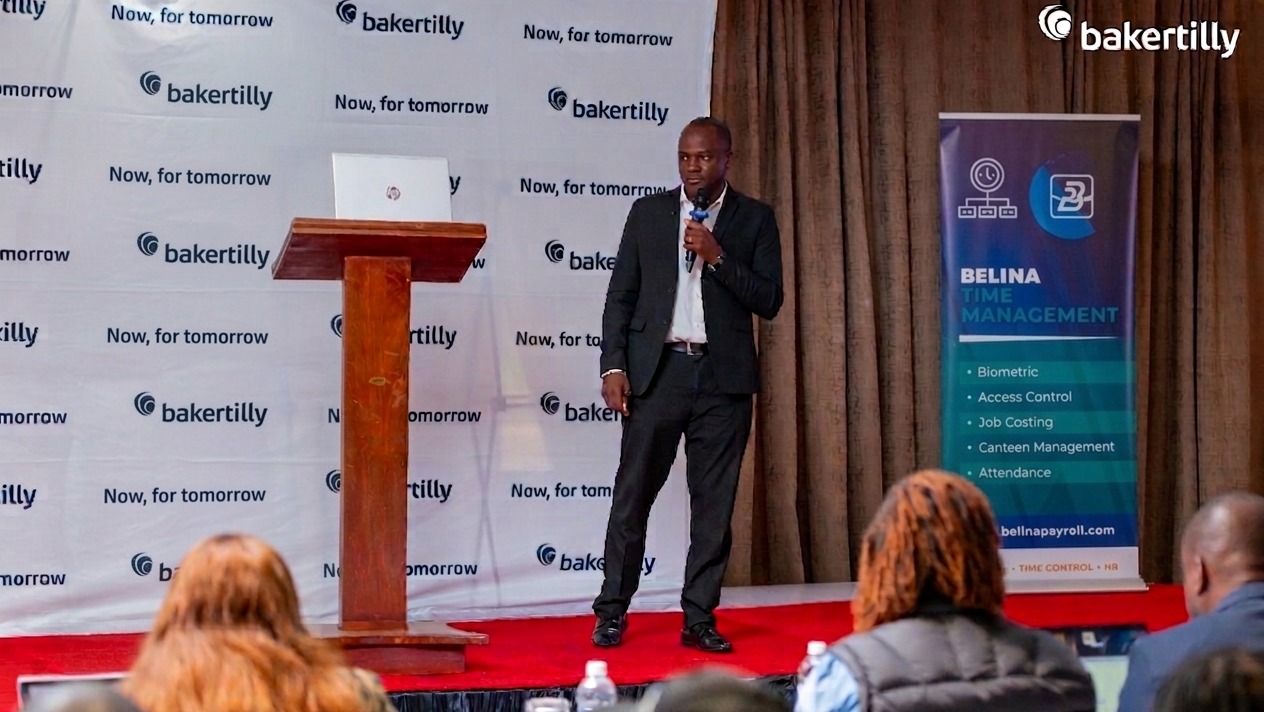
Based on our recent presentation at the Baker Tilly Payroll Seminar, here is an overview of the practical implications, current challenges, and the outlook for payroll in 2026.
Understanding the Shift to NON-FDS
Initially, NON-FDS was not included when TaRMS was introduced, but it emerged as a major source of tax variances by 2025. Its primary purpose is to improve the alignment between an employee’s actual earnings and their tax treatment, particularly for those on short-term or casual contracts.
The core mechanics of NON-FDS are straightforward but impactful:
- Aggregation of Income: All earnings—regular and irregular—are aggregated together.
- Uniform Taxation: The entire amount is subjected to monthly tax tables without distinction between income types.
- No Relief Mechanisms: Crucially, NON-FDS does not allow for tax credits, elderly credits, or other tax relief mechanisms within the payroll system.
The Burden on Payroll Practitioners
For employers, the transition to NON-FDS has shifted the responsibility from simple processing to complex classification and guidance.
- Dual Submissions: Organizations must now manage dual uploads in TaRMS—one for FDS and one for NON-FDS.
- Correct Classification: It is now critical to correctly identify which employees fall under which system to avoid non-compliance.
- Employee Education: There is a pressing need to educate staff who may perceive the lack of tax credits as over-taxation.
Emerging Challenges in 2026
As we navigate this new system, several gray areas have created hurdles for payroll teams:
- Qualification Ambiguity: Determining who qualifies—such as those on rolling 6-month contracts or employees with continuous employment despite no “permanent” status—remains a point of misinterpretation.
- Status Changes: Handling employees who start on FDS but are later discharged, or those moving between different payrolls, often leads to data integrity issues and missing history.
- The “Emotional” Tax Experience: Employees often view the manual requirement to submit ITF1 forms for refunds as an administrative burden, leading to a lack of trust in the refund process.
Looking Ahead: Making NON-FDS Work
At Belina, we have fully adopted NON-FDS since the start of 2026, aligning our systems to generate both FDS and NON-FDS files while using smart prompts to help users classify employees based on start and end dates.
To succeed in this environment, payroll professionals must move beyond being “processors.” Our role is evolving into that of interpreters and guides. Success with NON-FDS will require:
- Consistent Guidance: Reducing ambiguity through clear organizational policies.
- Continuous Learning: Improving practitioner understanding of TaRMS requirements.
- Proactive Education: Helping employees understand their tax obligations and the manual refund mechanisms available to them.
While NON-FDS introduces new complexities, it also provides a real solution for transient workforces when applied correctly. By embracing this role as advisors, we ensure our organizations remain compliant while helping our employees navigate the tax landscape with confidence